Animal Name: Bushbuck
Scientific Names: Tragelaphus sylvaticus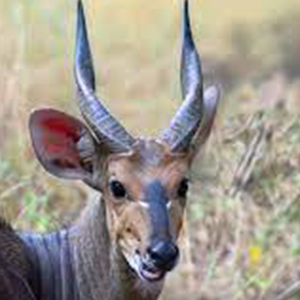
Home »
Bushbuck Introduction
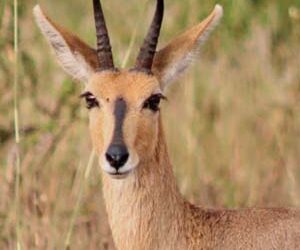
The bushbuck is a medium-sized antelope found in sub-Saharan Africa. With its reddish-brown coat, white spots, and spiral-shaped horns on males, it is a visually striking species. Bushbucks are adaptable and can thrive in diverse habitats, including forests, woodlands, and savannas. They are primarily browsers, feeding on leaves, shoots, fruits, and flowers. Males establish territories and mark them with scent secretions. These elusive creatures are most active at night and prefer dense vegetation for cover. Despite localized threats, bushbucks are considered a species of least concern. Their ability to navigate various ecosystems makes them a resilient presence in African wildlife.
Description of Bushbuck
The Cape bushbuck (Tragelaphus sylvaticus), also known as imbabala is a common, medium-seized "Bush. It is found in a wide range such as Rain_forest, Montane_forest""Savanna, and woodland Its stands around 90 cm (35 in) at the shoulder and weigh from 45 to 80 kg (99 to 176 lb). They are generally solitary.
Images of Bushbuck
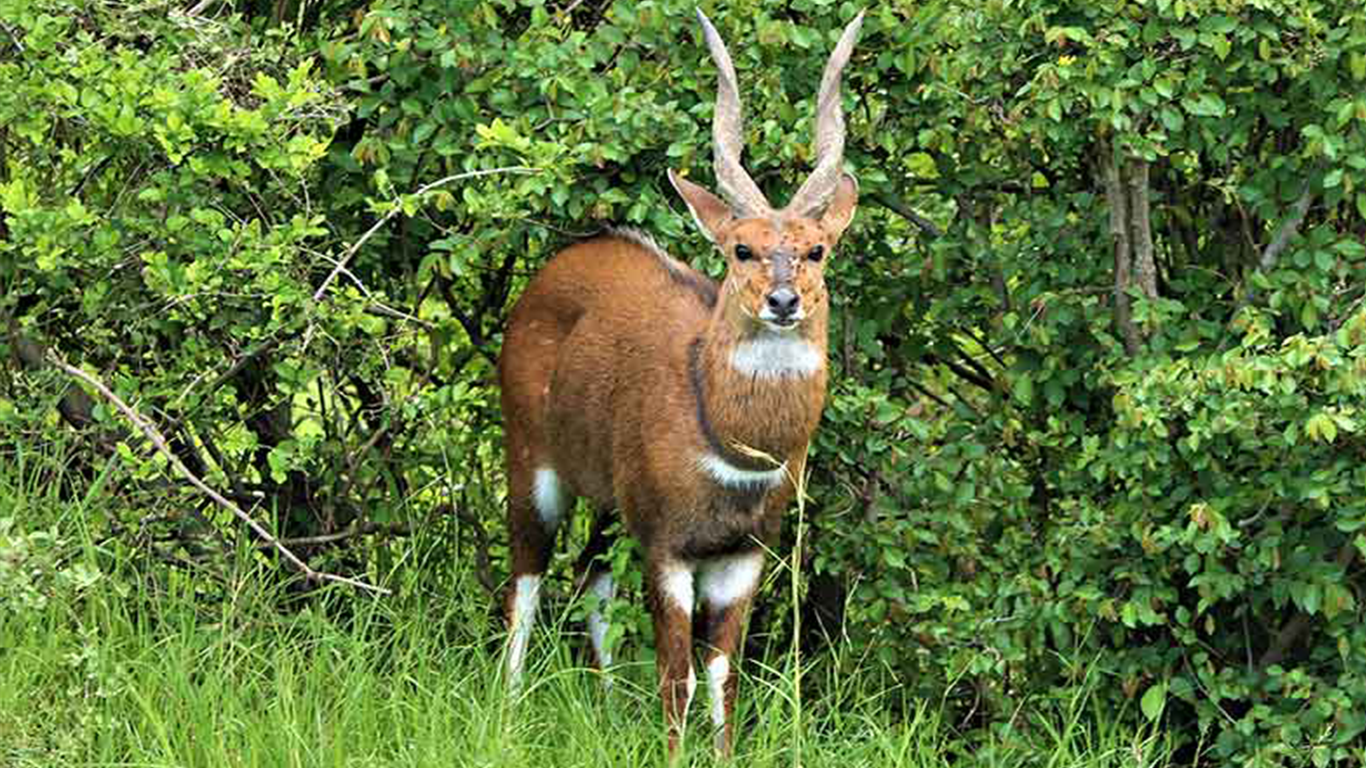
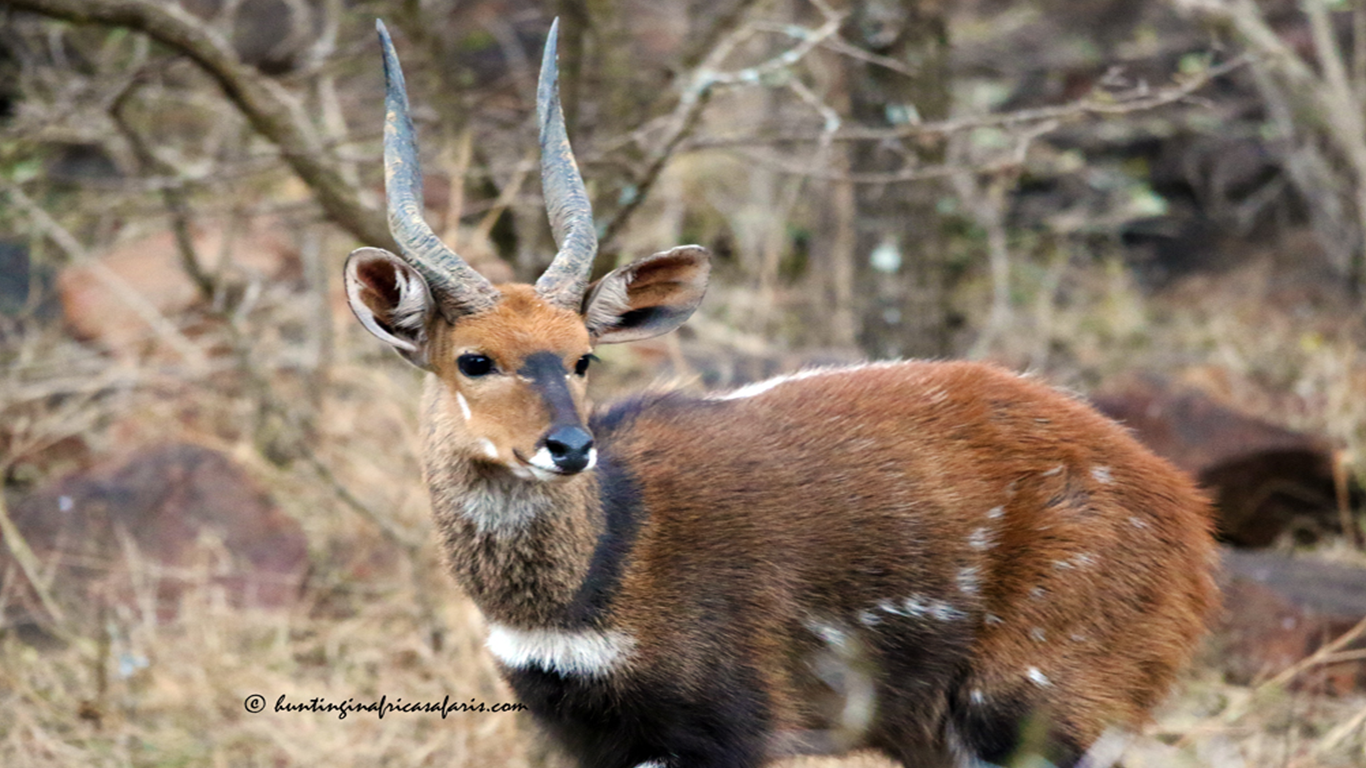
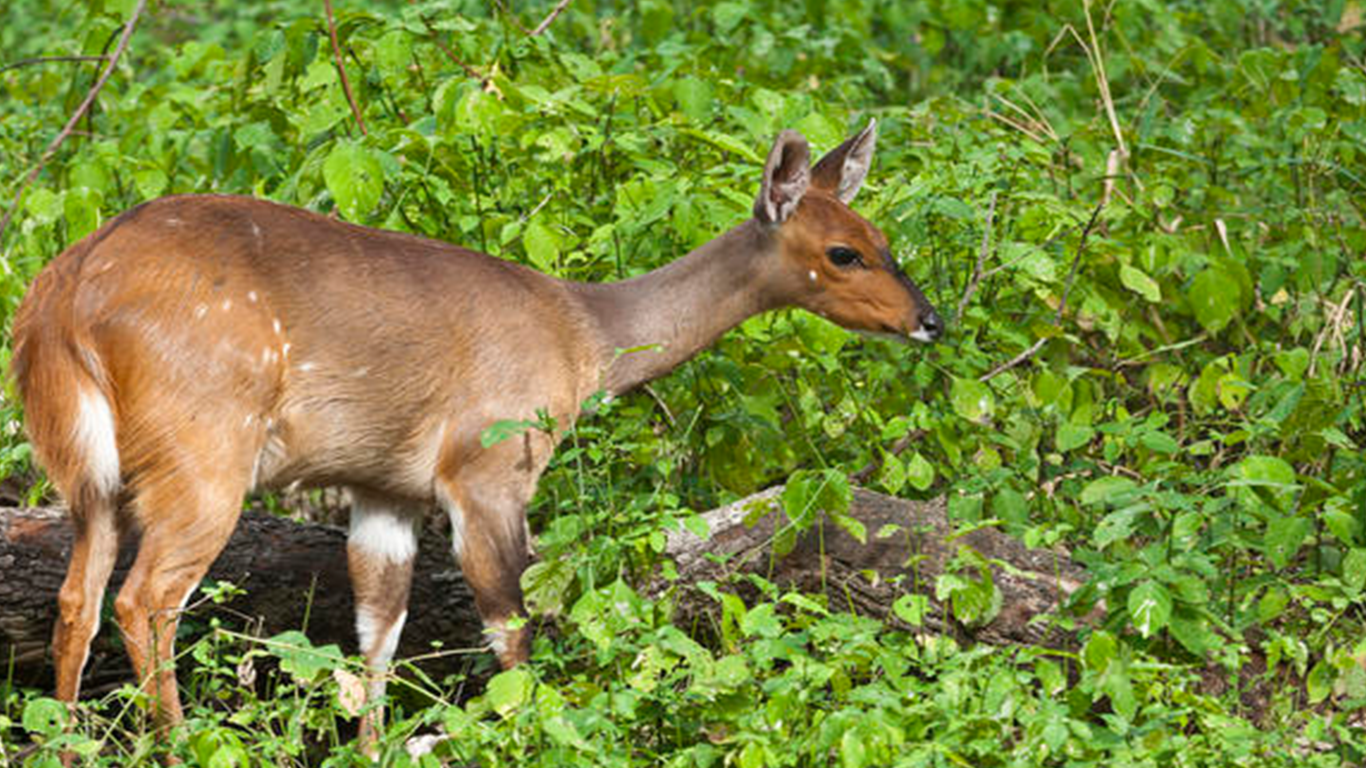
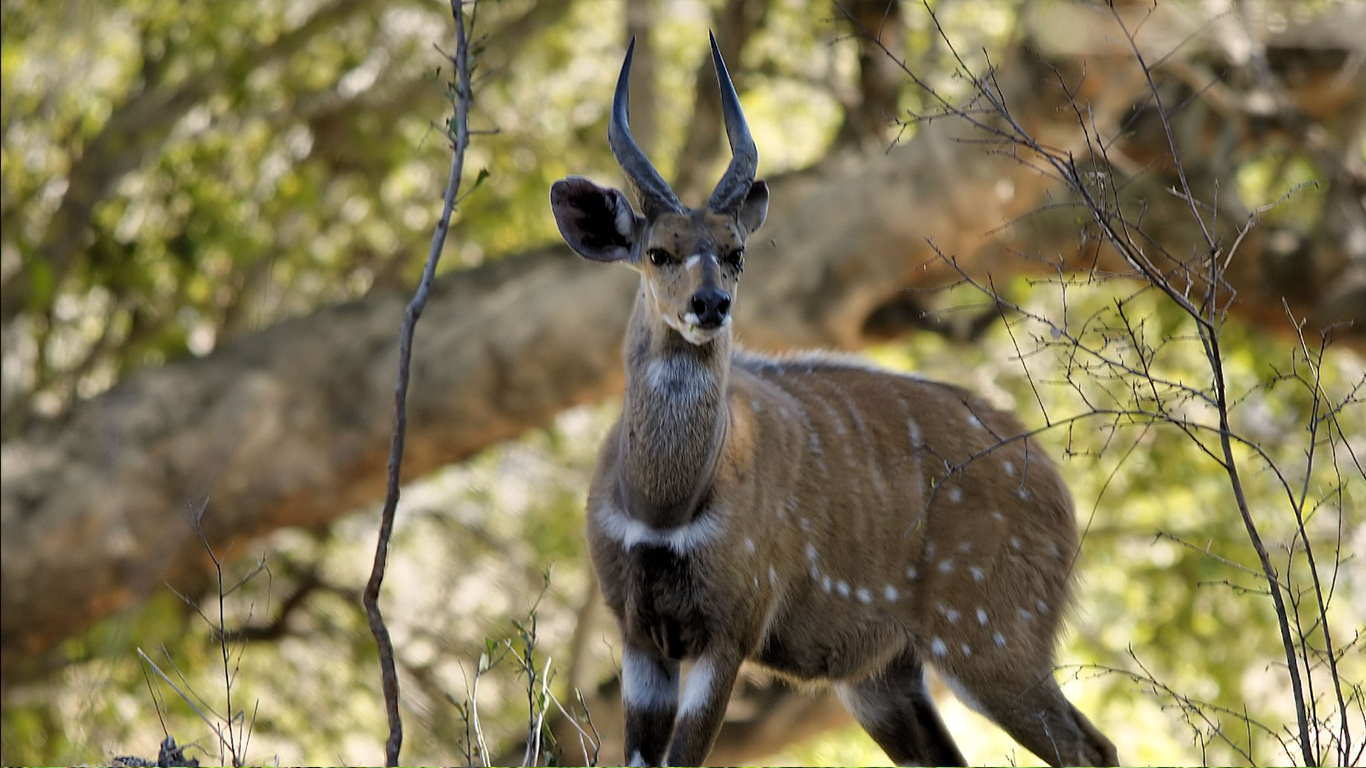
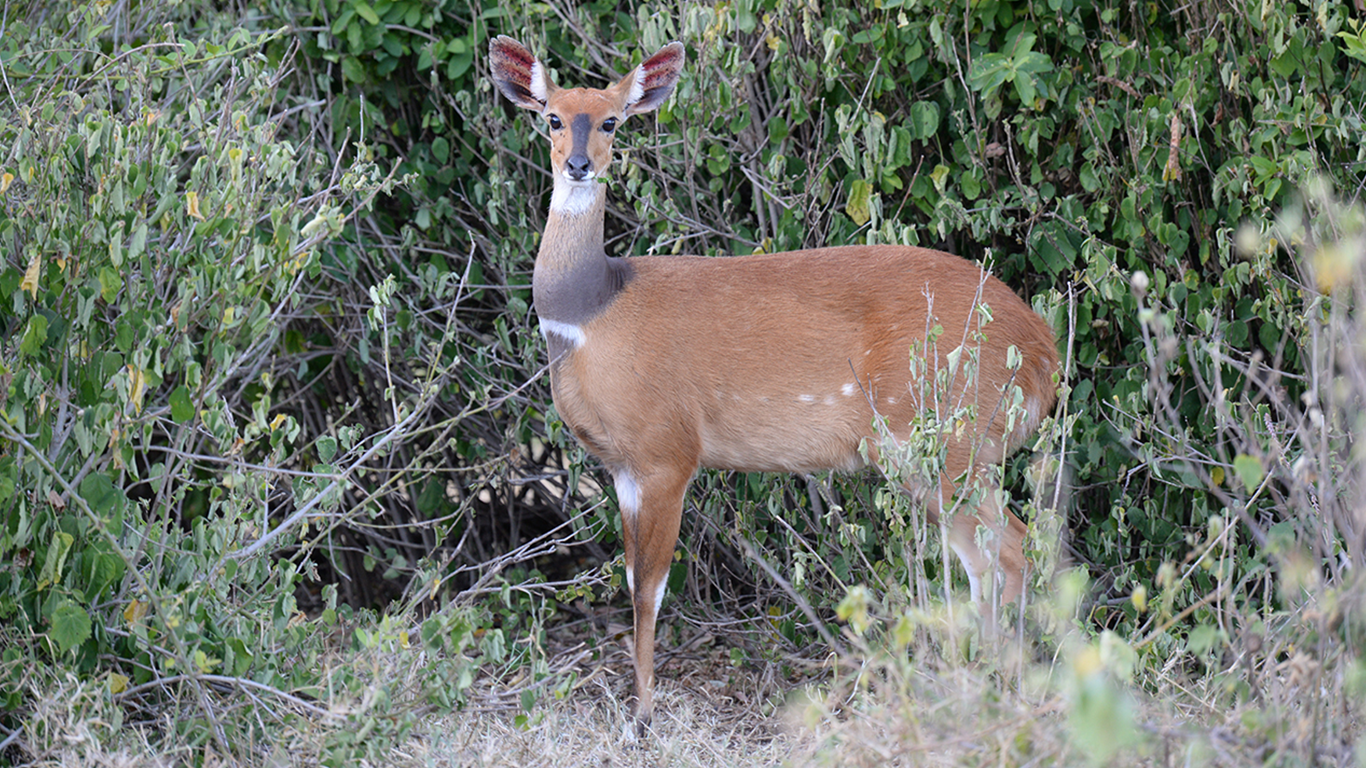
Obtain a personalized quote that suits your preferences and budget.
Do you have a question about an African safari?
Check the National Parks
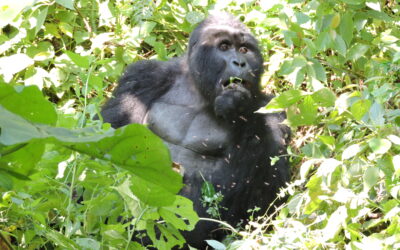
Mgahinga Gorilla National Park
Size: 33.7km2, making it Uganda’s smallest National Park. The park takes its name from “Gahinga” – the local word for the piles of volcanic stones cleared from farmland at the foot of the volcanoes. The British administration declared the area a game...
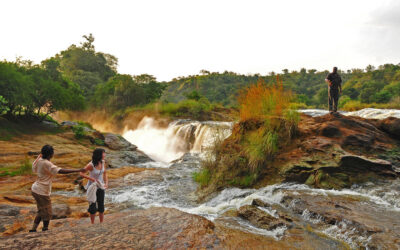
Murchison Falls National Park
Murchison Falls became one of Uganda’s first national parks in 1952 At Murchison Falls, the Nile squeezes through an 8m wide gorge and plunges with a thunderous roar into the “Devil’s Cauldron”, creating a trademark rainbow The northern section of...
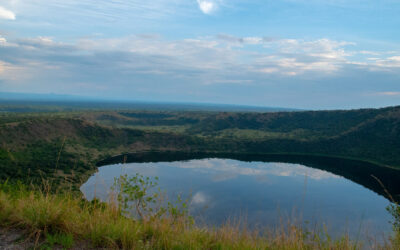
Queen Elizabeth National Park
Queen Elizabeth National Park spans the equator line; monuments on either side of the road marking the exact spot where it crosses latitude 00. Overview The park was founded in 1952 as Kazinga National Park and renamed two years later to commemorate a visit by Queen...