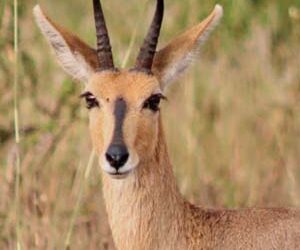
Animal Name: Uganda Kob
Scientific Names: Kobus kob thomasi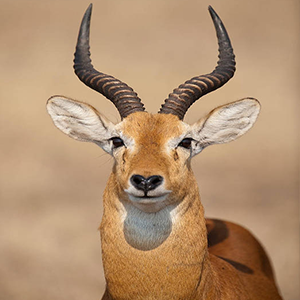
Home »
Uganda Kob Introduction
The Ugandan kob Kobus kob thomasi is a "Subspecies" of the title"Kob" , a type of antelope. It is found in "Sub-Saharan Africa" "South Sudan""Democratic Republic of the Congo" Democratic_Republic_of_the_Congoic . The Ugandan kob is normally reddish-brown, differentiating it from other kob subspecies. A Ugandan kob appears on the "Coat of arms of UgandaCoat_of_arms_of_Uganda coat of arms of Uganda, along with a "Grey crowned crane Grey_crowned_crane"grey crowned crane Balearica regulorum gibbericeps, representing the abundant "Wildlife of Uganda" Wildlife_of_Uganda" wildlife present in the country.
Description of Uganda Kob
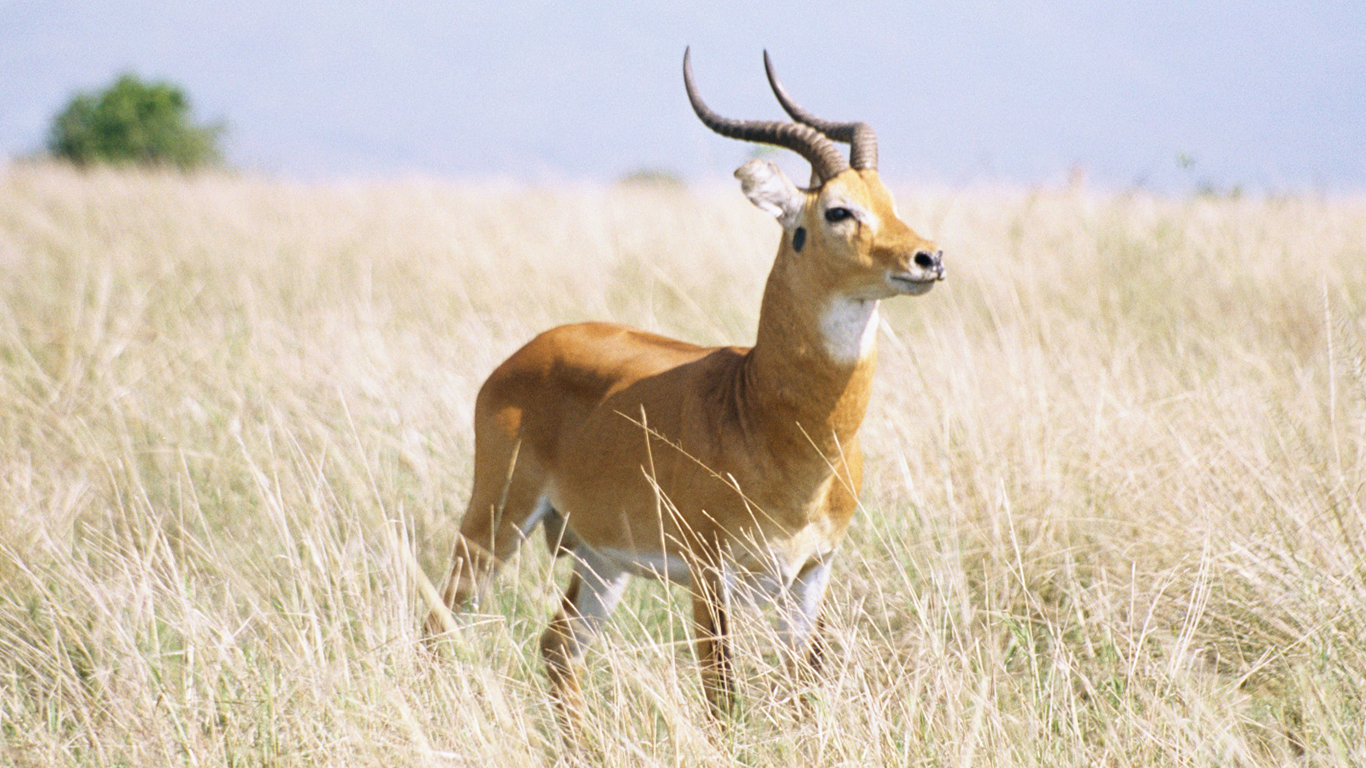
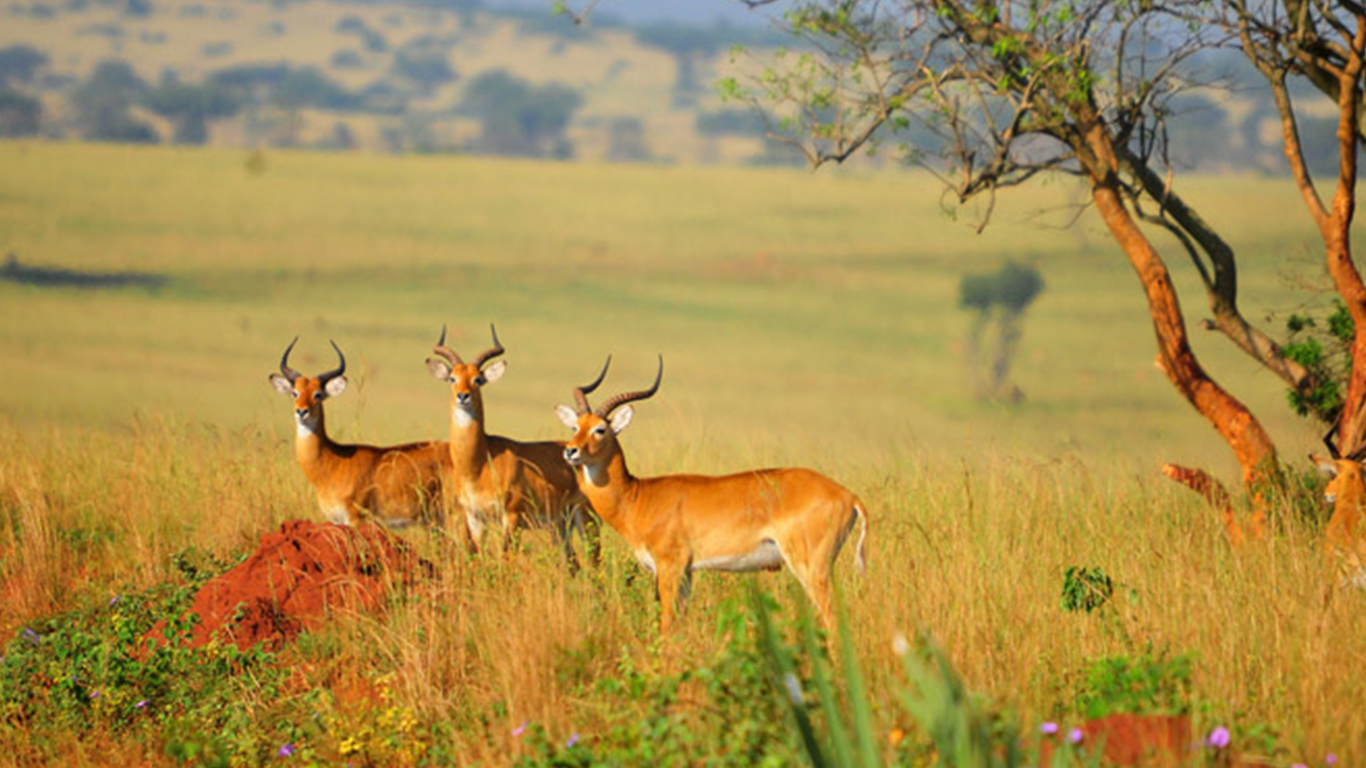
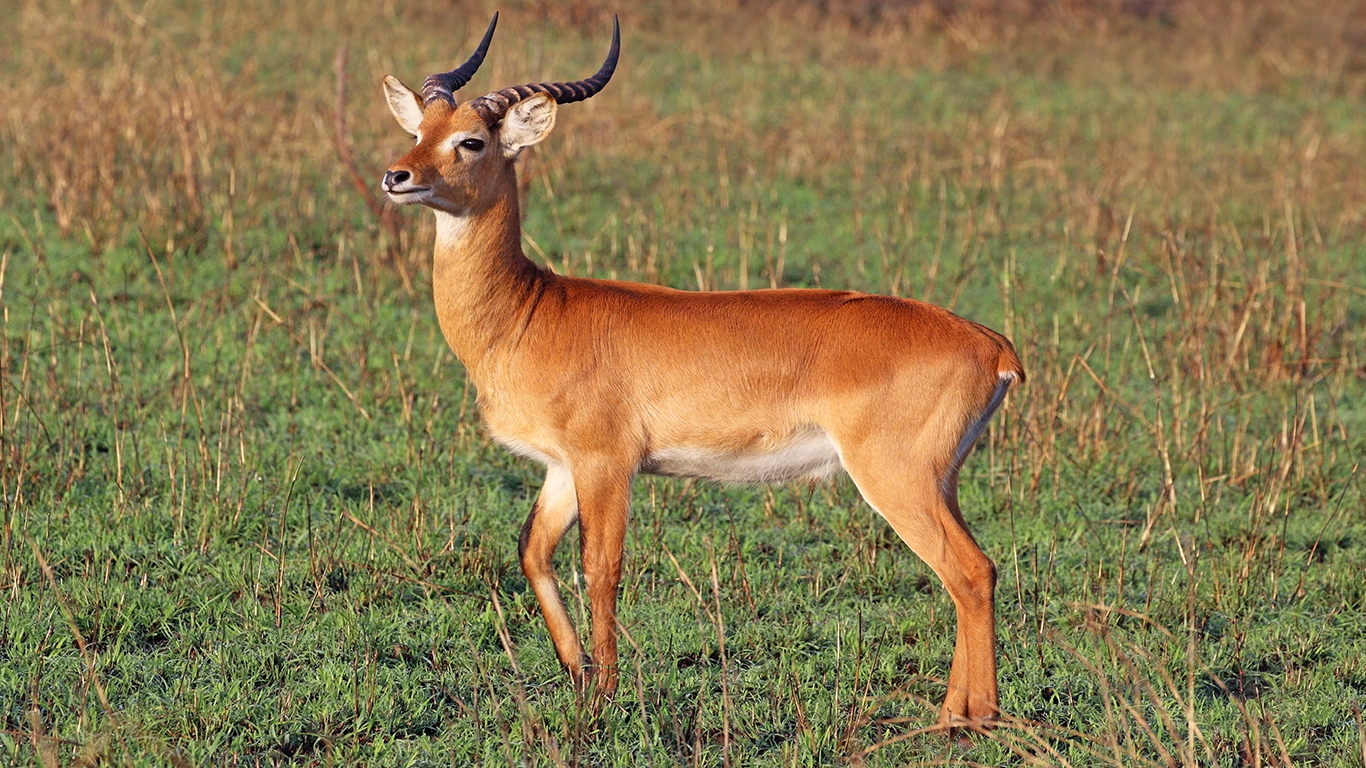
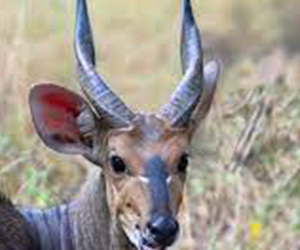
The Ugandan kob is similar in appearance to the "Impala" but it is more sturdily built. Only the males have horns, which are lyre-shaped, strongly ridged and divergent. Males are slightly larger than females, being 90 to 100 cm (3.0 to 3.3 ft) at the shoulder, with an average weight of 94 kg (207 lb), while females are 82 to 92 cm (2.7 to 3.0 ft) at the shoulder and on average weigh about 63 kg (139 lb). Apart from the throat patch, muzzle, eye ring and inner ear, which are white, the coat is golden to reddish-brown, the colour differentiating it from other kob subspecies. The belly and inside of the legs are white, and the front of the forelegs are black.
Images of Uganda Kob
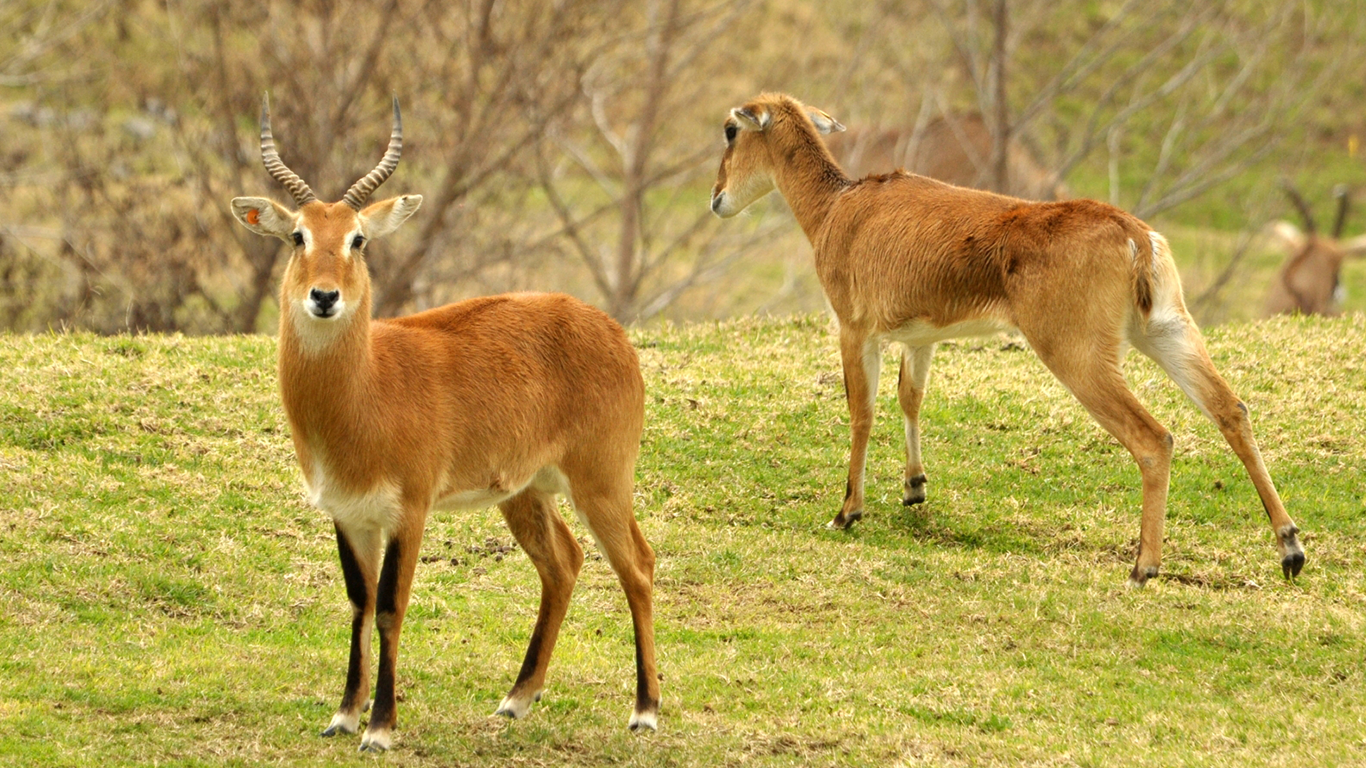
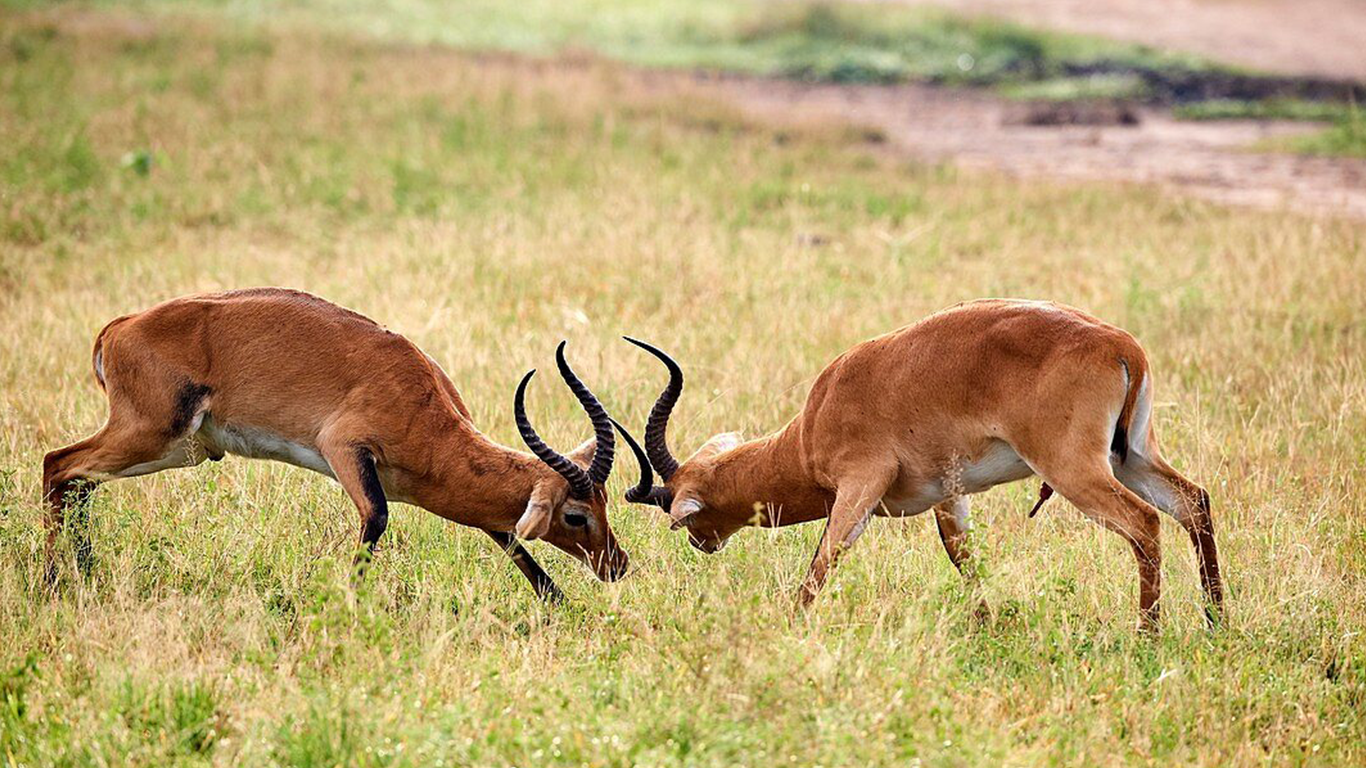
Obtain a personalized quote that suits your preferences and budget.
Do you have a question about an African safari?
Check the National Parks
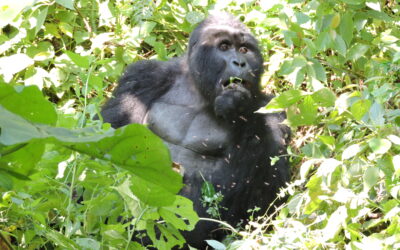
Mgahinga Gorilla National Park
Size: 33.7km2, making it Uganda’s smallest National Park. The park takes its name from “Gahinga” – the local word for the piles of volcanic stones cleared from farmland at the foot of the volcanoes. The British administration declared the area a game...
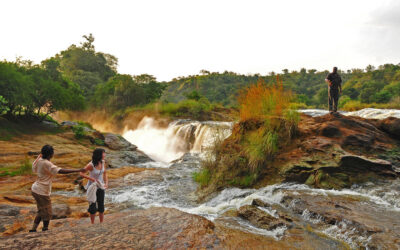
Murchison Falls National Park
Murchison Falls became one of Uganda’s first national parks in 1952 At Murchison Falls, the Nile squeezes through an 8m wide gorge and plunges with a thunderous roar into the “Devil’s Cauldron”, creating a trademark rainbow The northern section of...
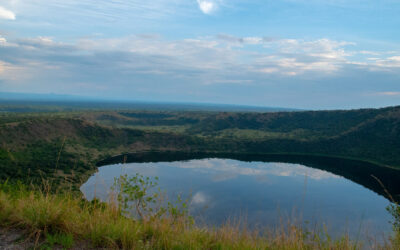
Queen Elizabeth National Park
Queen Elizabeth National Park spans the equator line; monuments on either side of the road marking the exact spot where it crosses latitude 00. Overview The park was founded in 1952 as Kazinga National Park and renamed two years later to commemorate a visit by Queen...