Animal Name: African Palm Civet
Scientific Names: Nandinia binotata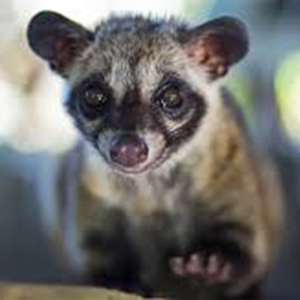
Home »
African Palm Civet Introduction
The African Palm Civet, Nandinia binotata, is a fascinating mammal native to Uganda. With a sleek and slender build, it measures approximately 50 to 60 centimeters in length and weighs around 2 to 4 kilograms. Its distinctive coat features dark brown or black fur adorned with white patches on its face, neck, and underbelly. Equipped with a long, flexible tail, the African Palm Civet possesses exceptional climbing abilities. As an omnivorous species, it consumes a diverse diet, encompassing fruits, insects, small vertebrates, and even palm nuts. While primarily active during the night, these curious creatures occasionally venture into human settlements in search of sustenance.
Description of African Palm Civet
The African Palm Civet, scientifically known as Nandinia binotata, is a small mammal found in Uganda. It has a slender body with a length of around 50 to 60 centimeters and weighs about 2 to 4 kilograms. The civet's fur is predominantly dark brown or black, with white patches on its face, neck, and underbelly. It possesses a long, prehensile tail that aids in climbing trees. This omnivorous creature has sharp teeth and feeds on a varied diet, including fruits, insects, small vertebrates, and even palm nuts. Despite its nocturnal nature, the African Palm Civet occasionally ventures into human settlements in search of food.
Images of African Palm Civet
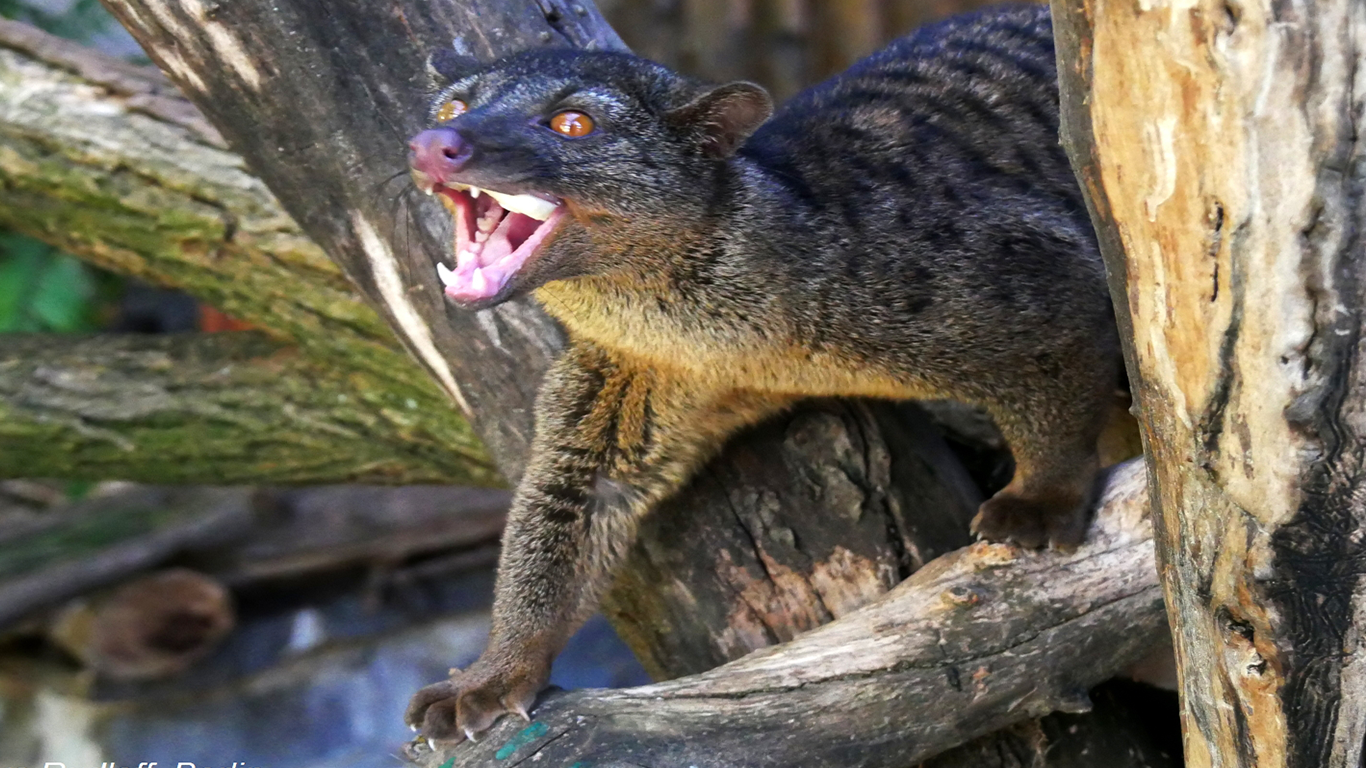
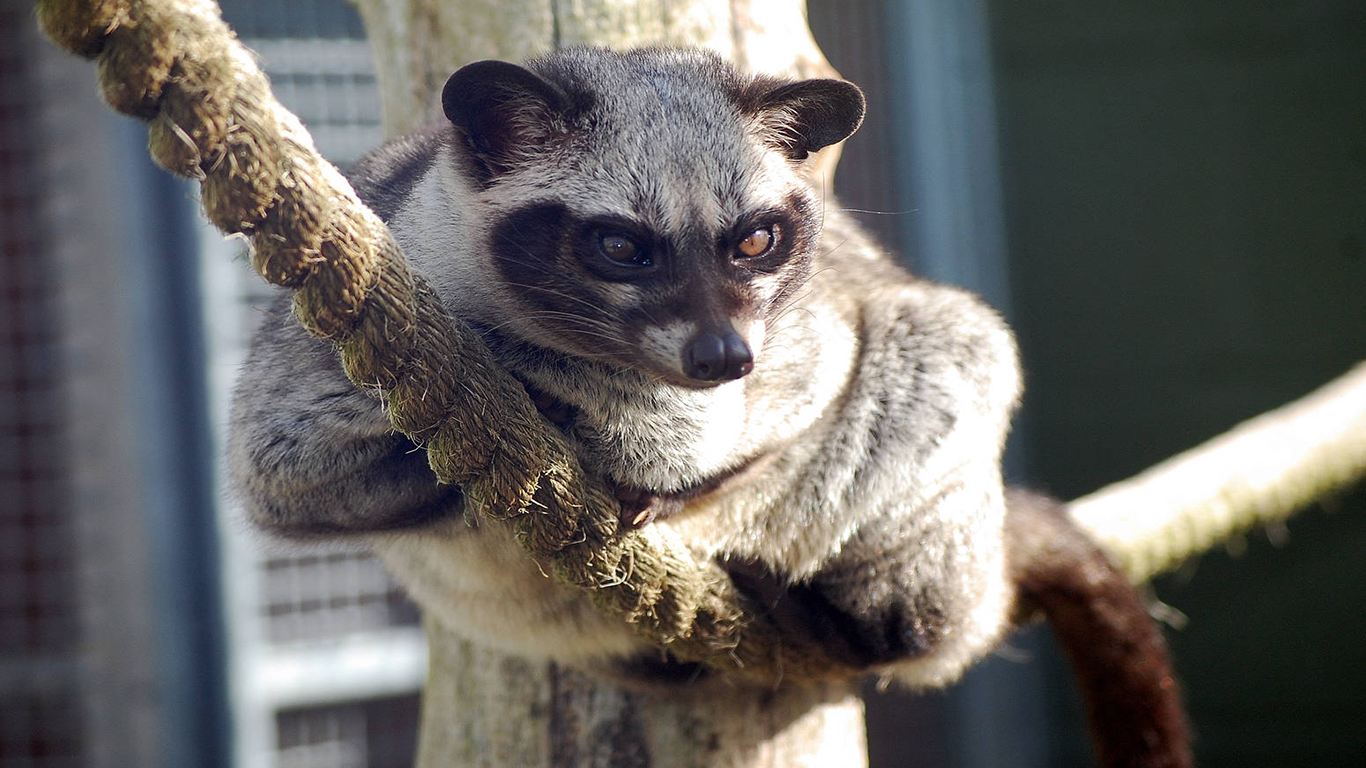
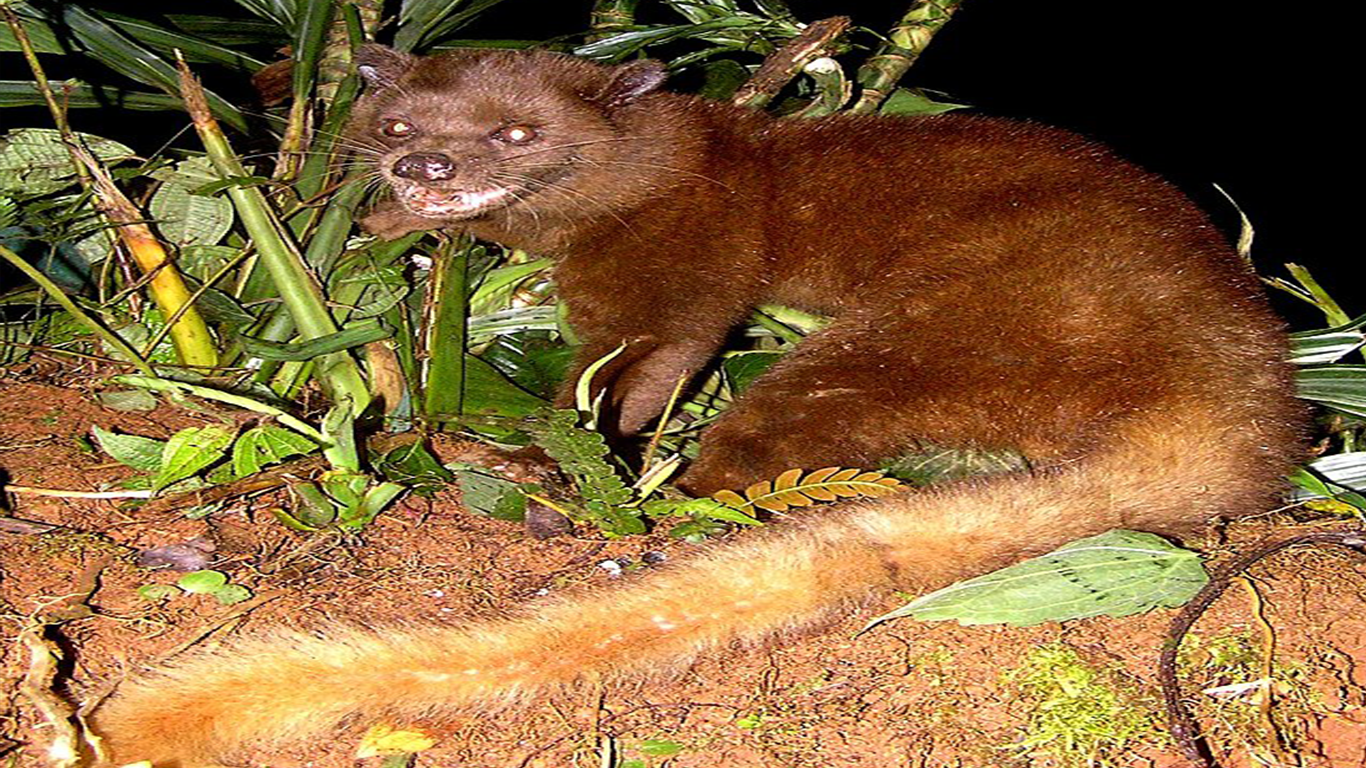
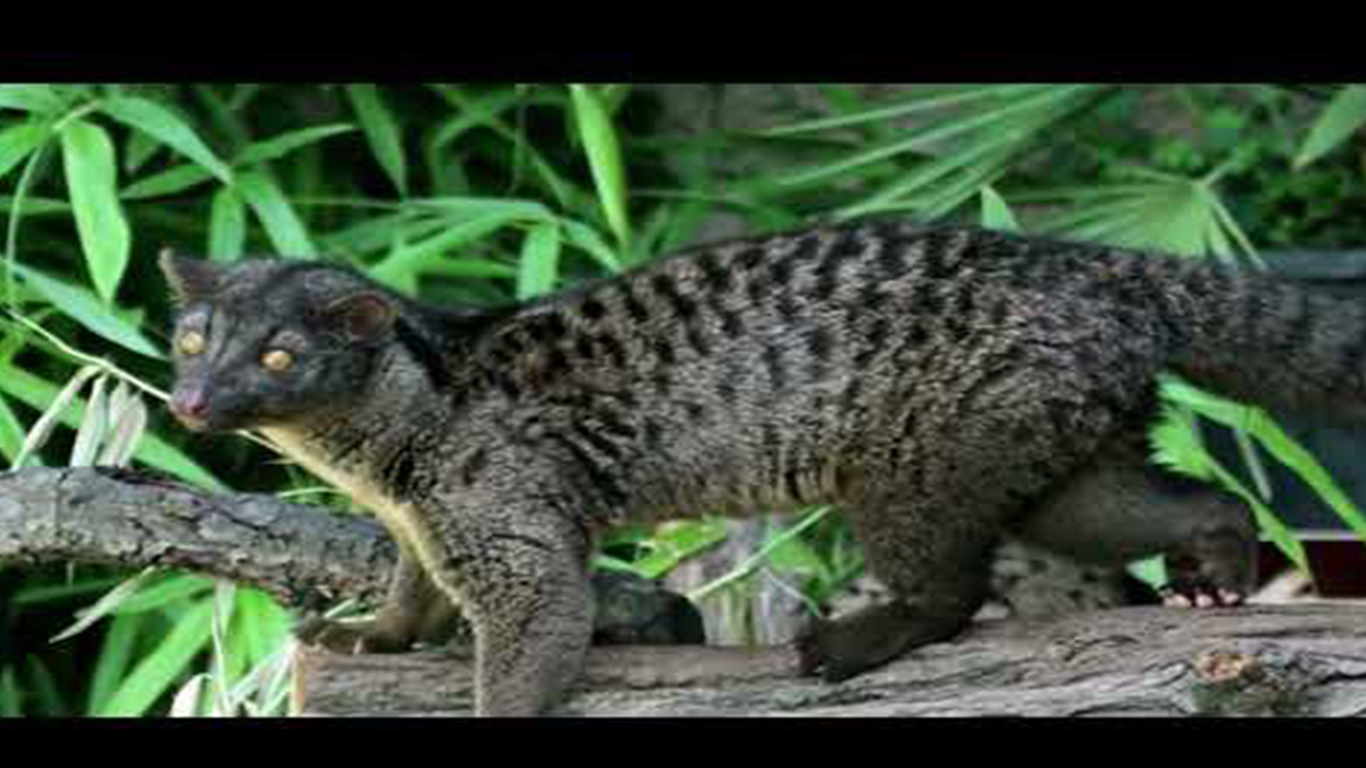
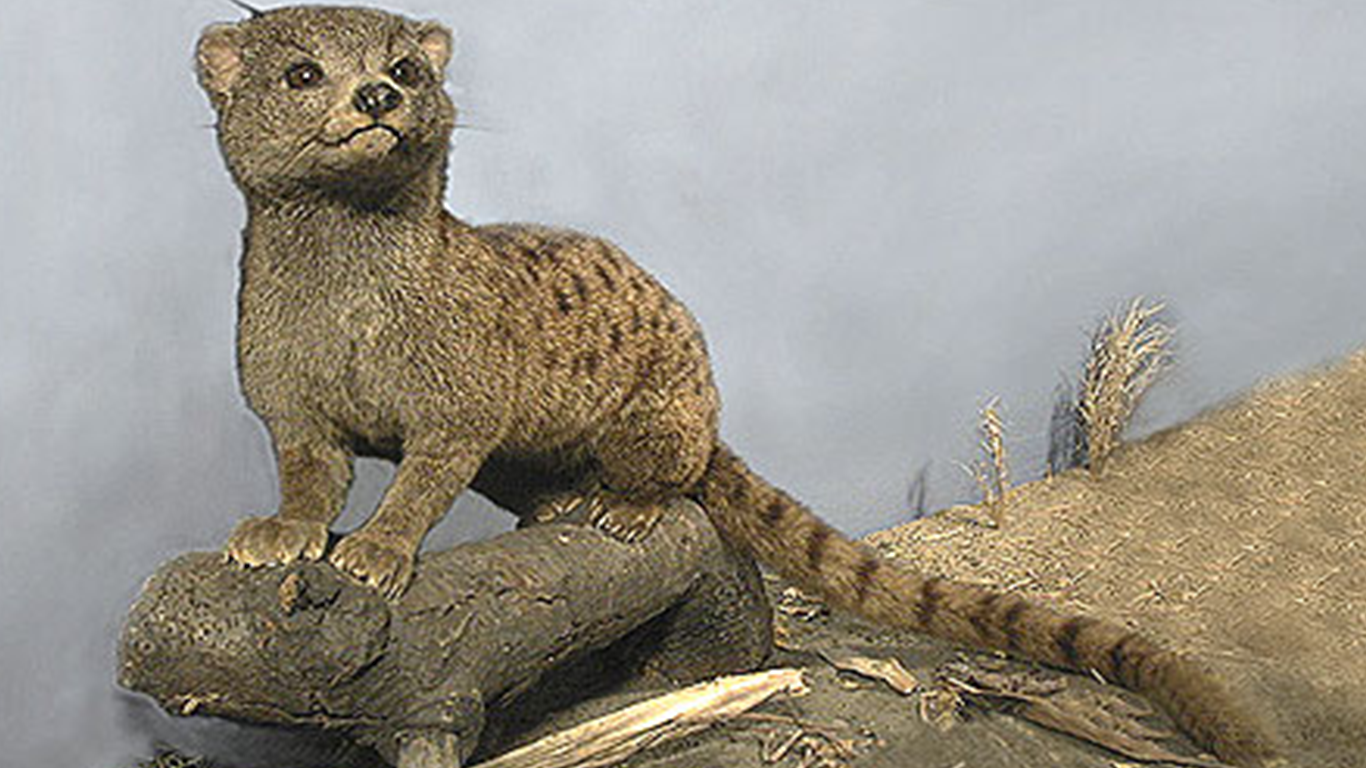
Obtain a personalized quote that suits your preferences and budget.
Do you have a question about an African safari?
Check the National Parks
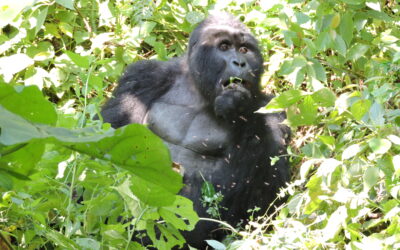
Mgahinga Gorilla National Park
Size: 33.7km2, making it Uganda’s smallest National Park. The park takes its name from “Gahinga” – the local word for the piles of volcanic stones cleared from farmland at the foot of the volcanoes. The British administration declared the area a game...
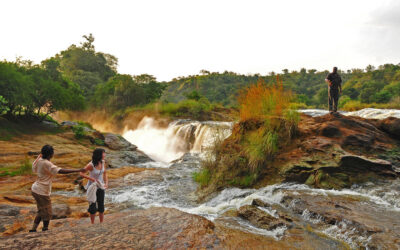
Murchison Falls National Park
Murchison Falls became one of Uganda’s first national parks in 1952 At Murchison Falls, the Nile squeezes through an 8m wide gorge and plunges with a thunderous roar into the “Devil’s Cauldron”, creating a trademark rainbow The northern section of...
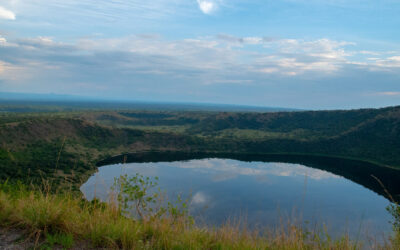
Queen Elizabeth National Park
Queen Elizabeth National Park spans the equator line; monuments on either side of the road marking the exact spot where it crosses latitude 00. Overview The park was founded in 1952 as Kazinga National Park and renamed two years later to commemorate a visit by Queen...